The Importance of Regular Reviews for Custom Orthotics Efficacy
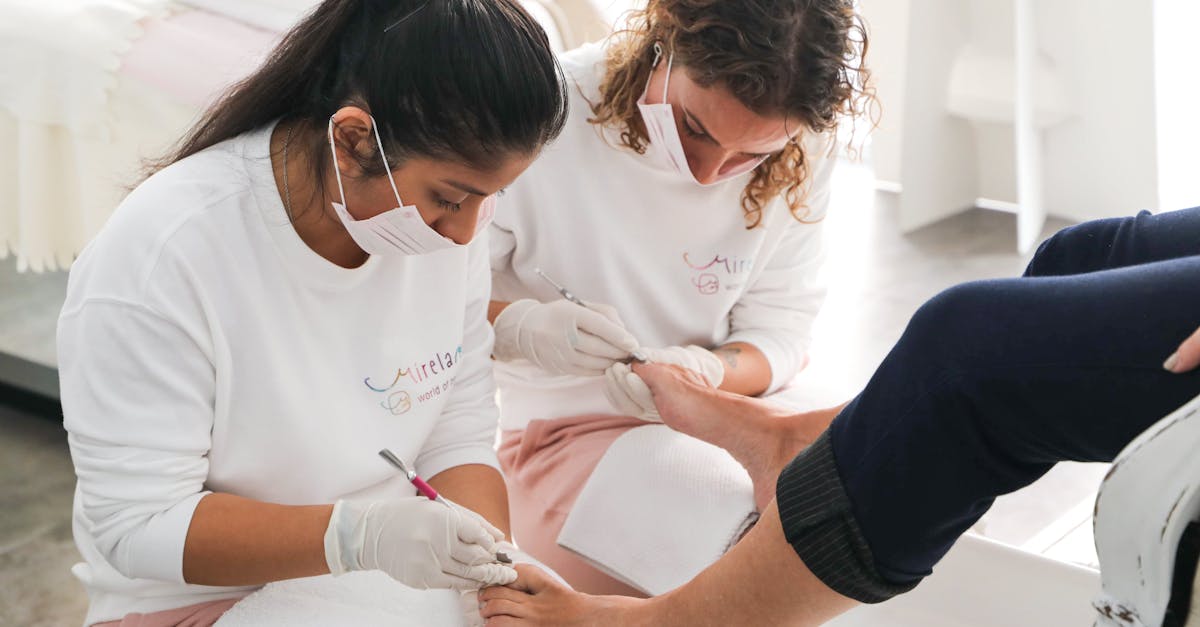
Table Of Contents
The Process of Review
Regular reviews of custom orthotics are essential to ensure they continue to meet the individual's needs over time. Factors such as changes in the individual's weight, activity level, and overall health can significantly impact the effectiveness of orthotic devices. During these evaluations, practitioners assess not only the physical condition of the orthotics but also the user's experience and any discomfort they may be experiencing. Feedback from the wearer is invaluable for identifying areas needing adjustment.
Incorporating a systematic approach to the review process enhances the overall effectiveness of the orthotics. This may involve a series of assessments to examine both functionality and comfort. Detailed records of past reviews and modifications can guide practitioners in making informed decisions moving forward. Collaborating with healthcare providers creates a comprehensive evaluation process that considers all aspects of the patient's health and lifestyle.
Key Steps in the Evaluation
Evaluating the effectiveness of custom orthotics requires a systematic approach. Initially, practitioners need to gather comprehensive information on the patient’s symptoms and any changes in their condition since the last review. This involves conducting a thorough physical examination, which may include assessing foot and posture alignment. Gathering feedback directly from the patient helps to identify any discomfort, improvements, or areas that need further attention.
Next, it is essential to assess the orthotics themselves for wear and tear or any signs of damage. This inspection ensures that the devices are functioning as intended, providing the necessary support. Adjustments may be necessary based on the evaluation findings. Documenting these observations and any changes in treatment is critical for ongoing management, ensuring that the custom orthotics continue to meet the patient’s unique needs effectively.
Custom Orthotics and Health Conditions
Custom orthotics play a significant role in addressing various health conditions, offering tailored support to individuals based on their specific needs. Individuals with conditions such as plantar fasciitis, arthritis, or flat feet can experience substantial relief through the use of these devices. By aligning and distributing pressure evenly across the foot, orthotics can improve overall mobility and reduce discomfort.
In addition to foot-related issues, custom orthotics have potential benefits for knee, hip, and lower back problems. By correcting alignment and enhancing posture, they provide a more stable base, contributing to improved biomechanics. Regular assessments ensure the orthotics continue to meet changing medical needs, allowing for adjustments that reflect an individual’s progress or evolving health conditions.
Addressing Specific Medical Needs
Custom orthotics play a vital role in managing various health conditions, particularly those affecting the lower limbs. Conditions such as plantar fasciitis, arthritis, and diabetes often require tailored solutions to alleviate pain and support mobility. When orthotics are designed specifically for an individual's unique foot shape and functional requirements, they can significantly improve comfort and overall quality of life. Regular assessments help ensure that these devices continue to meet changing medical needs.
Individuals with specific medical concerns may find that their orthotic requirements evolve over time. Changes in health status or lifestyle can necessitate adjustments to the orthotics to maintain effectiveness. By focusing on targeted support, these custom devices can address symptoms like excessive pronation or arch instability, enabling better management of associated conditions. Ongoing evaluations ensure that the orthotics remain beneficial and aligned with any new aspects of a person's health journey.
Professional Involvement in Reviews
Regular check-ups by healthcare professionals play a vital role in the effectiveness of custom orthotics. Podiatrists and orthotists bring expertise that ensures these devices are functioning optimally. They can assess any changes in the patient’s condition, such as shifts in foot biomechanics or the development of new health issues. A thorough evaluation allows for timely adjustments to the orthotics, preventing discomfort and promoting better health outcomes.
The collaboration between patients and professionals enhances the overall experience of using custom orthotics. Regular reviews offer an opportunity for patients to voice concerns and provide feedback about their orthotics. This interaction fosters a supportive environment where adjustments can be made to improve comfort and usability, ensuring that the devices continue to meet the evolving needs of the individual. Such professional involvement not only addresses immediate physical concerns but also supports the long-term health of the patient.
The Importance of Expert Guidance
Seeking the assistance of healthcare professionals is crucial in ensuring that custom orthotics are delivering optimal support and comfort. Experts, such as podiatrists or orthopaedic specialists, possess the necessary training and experience to assess the efficacy of orthotic devices. Their insights can lead to adjustments tailored to individual needs. Regular consultations with these professionals can identify any changes in foot structure or gait patterns that may necessitate modifications to the orthotics.
The role of professional guidance extends beyond initial fitting and evaluation. Ongoing monitoring allows for timely interventions that enhance function and prevent potential issues. A collaborative approach between patients and healthcare providers fosters a deeper understanding of specific health conditions and their impacts on mobility. This relationship not only optimises the individual’s experience with custom orthotics but also contributes to overall well-being.
FAQS
How often should I have my custom orthotics reviewed?
It is generally recommended to have custom orthotics reviewed every 6 to 12 months, depending on your specific needs and any changes in your health or activity levels.
What are the key steps in the evaluation process for custom orthotics?
The key steps in the evaluation process include assessing your current symptoms, evaluating the fit and comfort of the orthotics, and determining if any adjustments are necessary based on your lifestyle and medical conditions.
Can custom orthotics help with specific health conditions?
Yes, custom orthotics can address various health conditions such as plantar fasciitis, flat feet, and arthritis by providing support and alleviating pain specific to these issues.
Why is professional involvement important in the review of custom orthotics?
Professional involvement is crucial as experts can provide guidance based on their training and experience, ensuring that any adjustments made to the orthotics are effective and align with your health goals.
What should I do if my custom orthotics are causing discomfort?
If your custom orthotics are causing discomfort, you should consult with your healthcare professional or orthotist as soon as possible to assess the fit and make any necessary adjustments.
Related Links
Custom Orthotics for Individuals with High Arches: What to KnowUnderstanding the Benefits of Custom Orthotics for Foot Pain Relief
Integrating Custom Orthotics with Footwear: Best Practices
How Custom Orthotics Can Alleviate Symptoms of Plantar Fasciitis
Custom Orthotics and Their Impact on Posture and Alignment
The Role of Custom Orthotics in Managing Flat Feet
The Process of Custom Orthotic Assessment and Design
Choosing the Right Material for Custom Orthotic Inserts